Improving EPC Ratings With a Loft Conversion in Swansea, South Wales
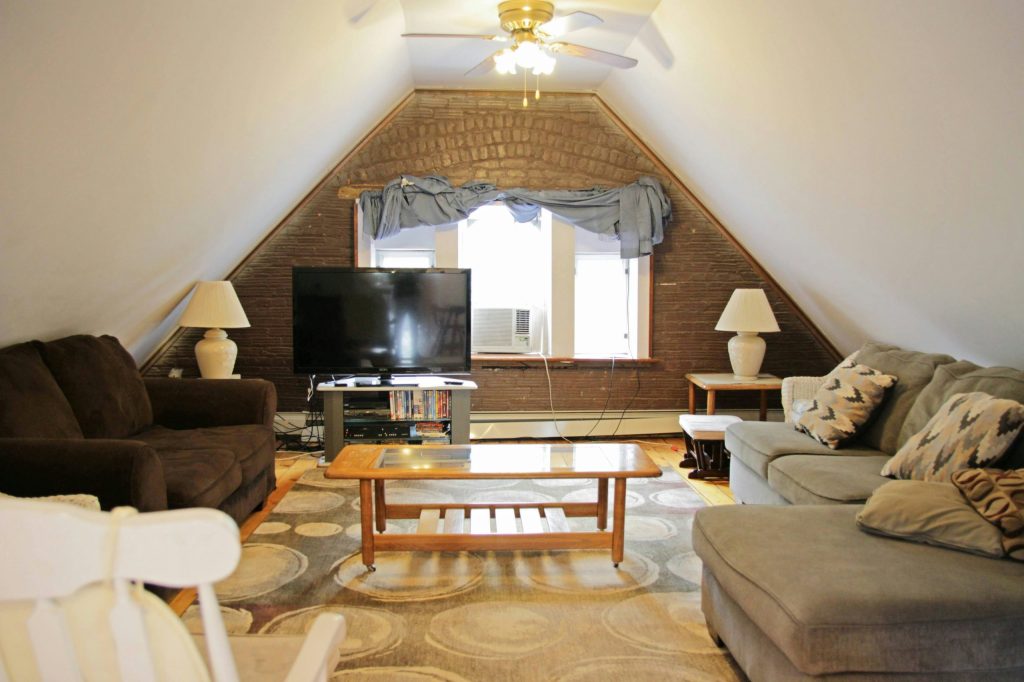
Improving the energy efficiency of a home is one of the top priorities for many homeowners in South Wales, now that energy costs have substantially increased and EPC ratings are having an increasingly significant impact on how much your property is worth. Whether you live in Swansea, Neath, or anywhere in between, a loft conversion is one of the most meaningful home improvements you can make—and you can do it all without having to extend your property’s footprint.
For homeowners in Swansea and across South Wales, converting an underused attic space can not only bring you some amazing practical benefits but also deliver long-term gains in terms of space and value. We’ll explore the build process and how a loft conversion can improve both your EPC rating and the value of your property.
How a Loft Conversion Can Improve Your EPC Rating
In summary, an EPC rating is all about how efficiently a home uses energy. Unfortunately, many homes lose most of the heat through the roof, especially older properties that are just not well-insulated. But a loft conversion project deals with this problem head-on.
During construction, the loft is completely overhauled to meet all the modern building regulations—which means high-performance insulation, better airtightness, and improved ventilation. That alone can make a noticeable difference to your EPC score. When you convert a loft into a bedroom, home office, or other usable area, what you’re actually doing is upgrading one of the least efficient parts of the house.
For bungalow owners or people who live in homes with big lofts, the improvement can be particularly significant because so much heat is escaping out of the roof.
Bespoke Design That Uses Space Efficiently
A successful professional loft conversion isn’t just about proper insulation. The layout, the floor structure, and the overall bespoke design all play a part in how energy-efficient the finished space feels.
A loft conversion specialist will assess the headroom, the existing structural elements, and figure out the best way to introduce natural light. Some options, like velux windows or velux roof lights, can help create a really spacious, airy feel while reducing the need for artificial lighting. In some properties, a dormer or a hip-to-gable design can further improve insulation performance while making the most of the internal space.
The goal is to create a beautiful living area that feels comfortable year-round, with a result that works efficiently as part of the whole house.
Adding a Bathroom Without Compromising Efficiency
Some people worry that adding a bathroom to a loft conversion is going to make it far less energy-efficient. But truthfully, with modern installation methods, this isn’t quite as true as you might think. When a skilled tradesperson plans the plumbing properly, heat loss is kept to a minimum and water use is optimised.
A well-designed bathroom connected to an existing system can improve overall functionality without expensive running costs. For families who are creating an extra bedroom or using a loft conversion as a flexible extra room, this is often a major advantage.
Planning Permission and Building Regulations in South Wales
Most loft conversions fall under permitted development, which means you don’t always need planning permission. However, this depends on many factors like the local authority, the roof alterations and whether the property is in a conservation area.
A reliable builder or one of the established loft conversion companies in Swansea will guide you through this stage, ensuring compliance from start to finish. They will also arrange inspections to check on the structural work and confirm that the project meets local building and national standards.
It all helps to give you peace of mind, and avoids any delays to completion.
Managing the Build Process and Minimising Disruption
One of the things that often worries homeowners is that there’s going to be a lot of disruption. However, a well-managed project keeps disruption to a minimum, especially when most of the work can be done within the roof space. Experienced, family-run teams with years of experience know how to work efficiently and keep to an agreed timeline.
From the initial quote, through the design and build, to the final sign-off, the entire process should feel like it’s well organised and transparent. Communication is key, especially when you’re dealing with the complexity of structural changes.
Loft Conversions Compare to Other Home Improvements
When it comes to garage conversions or a ground-floor extension, a loft conversion often delivers a stronger EPC improvement for the cost. Upgrading insulation in the roof tends to have a bigger impact than converting existing ground-level storage or extending outwards.
That makes loft projects an affordable option for homeowners who are focused on energy efficiency, especially when you use high-quality materials and adhere to high standards of workmanship.
Long-Term Value of a Well-Designed Loft Conversion
High quality loft conversions can seriously enhance your everyday comfort and also give your home a real boost in resale appeal. Buyers these days are looking for homes that are energy-efficient and have flexible living space—whether that’s a home office, guest room or additional family bedroom.
In areas like Swansea and across South Wales, a well-executed loft conversion often stands out in the market. When homeowners highly recommend their builder, it’s usually because the end result truly balances comfort, efficiency and design.
With the right expert, a clear guide, and a focus on high quality, boosting your EPC rating through a loft conversion really is achievable—and it’s genuinely worthwhile.